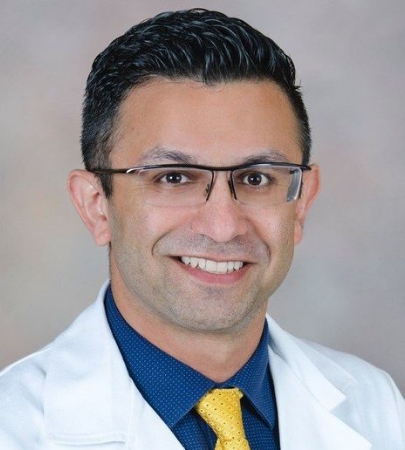
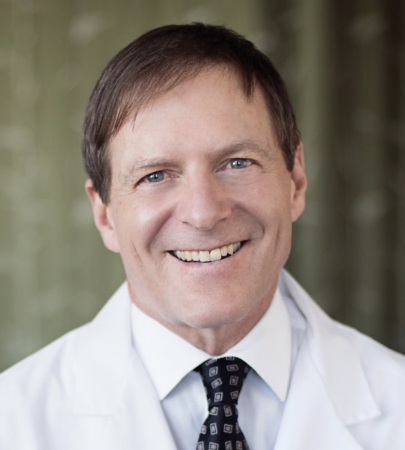
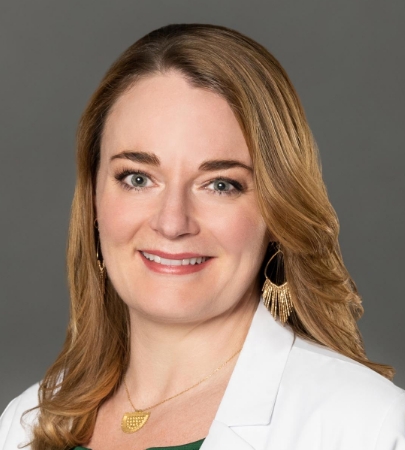
Board-certified plastic surgeon Dr. Mark Jewell is one of the nation’s foremost authorities in plastic surgery. His contributions have been integral to the advancement of techniques in breast augmentation and the development of today’s remarkable breast implants. At their practice in Eugene, Dr. Jewell and Dr. Alireza “Reza” Najafian help women who visit from Bend, Salem, and Medford, Oregon, and beyond achieve their own personal visions of beautiful breasts.
Breast Augmentation Before & After Photos
WARNING:
This feature contains nudity. Please click OK to confirm you are at least 18 years of age and are not offended by such material.
Age: Between 25 and 35 years oldWeight: Between 115 and 125 poundsHeight: 5'4" to 5'7"Implant Shape: AnatomicalImplant Incision: InframammaryVolume: Between 300cc and 350cc Read More
Age: Between 25 and 35 years oldWeight: Between 115 and 125 poundsHeight: 5'0" to 5'3"Implant Shape: TeardropVolume: Under 250ccTechnique: 410 FM 235cc Read More
Age: Over 45 years oldWeight: Between 115 and 125 poundsHeight: 5'4" to 5'7"Implant Shape: TeardropVolume: Between 300cc and 350ccTechnique: Biplanar Aug: 410 FM 270 cc Read More
50 year. Semi professional body builder. Was 11% body fat. Came back 6 months later after gainig 13 lbs.Age: Over 45 years oldWeight: Between 135 and 145 poundsHeight: 5'8" to 5'11"Implant Shape: TeardropTechnique: 410 MM 280cc Read More
How Much Does Breast Augmentation Cost in Eugene, Oregon?
The price for breast enlargement at our practice ranges from $5,000 to $12,000. The actual cost of your procedure will vary with your choice of implants, the complexity of the surgery, the type of anesthesia used, and other factors. You will be provided with a specific price estimate as part of your personal consultation with Dr. Jewell or Dr. Najafian. Learn more about breast augmentation pricing in this blog post.
With Dr. Jewell, you get an industry leader in breast augmentation who:
Performs breast augmentation using local anesthetic with IV sedation
Served as co-chairman to the FDA during hearings on silicone gel safety
Has written more than 80 peer-reviewed articles, books, and chapters
Has more than 23 years of clinical research with silicone gel implants
Has more than 13 years as a principal investigator with highly cohesive form-stable gel implants
Offers a full range of implants from Allergan, Mentor, and Sientra
Has extensive experience with Allergan’s NATRELLE INSPIRA® round implants, believed to be an improvement over other round styles
Women come from far beyond Eugene, Oregon, for breast augmentation with Dr. Jewell, based on his reputation as a thought leader and scientific innovator within the plastic surgery community, as well as for the stunning results he achieves for his patients.
Developing Your Custom Breast Augmentation
Our surgeons and their staff place a great deal of value on the initial consultation, and they spend meaningful time getting to know you and your goals. During this appointment, Dr. Jewell or Dr. Najafian take care to listen to your story and understand your goals so that he can develop a surgical plan that’s tailored just for you.
Our surgeons believe that one of the most important elements of any successful plastic surgery procedure is patient education; they make sure you understand every aspect of your custom-designed procedure.
Your consultation begins with a discussion between you and a patient coordinator. This important conversation covers your personal health history and gives you the opportunity to define and share your goals and expectations. You’ll also meet with either Dr. Jewell or Dr. Najafian, who will perform a physical examination and record your measurements, a process called “bio-dimensional planning.” This technique uses your physical measurements to help you and your surgeon choose the size and placement of your implants.
Breast Augmentation vs. Breast Lift Surgery
While breast augmentation and breast lift surgery are both cosmetic breast enhancement procedures, they provide different improvements. Breast augmentation adds volume to one or both breasts, while a breast lift addresses sagging by removing excess skin to lift and reshape the breasts. If you’d like to add fullness to your breasts and are concerned about sagging, talk with your surgeon about combining a breast lift with breast augmentation.
“I had a very, very positive experience from beginning to end. Your beautiful facility made me feel like I was definitely somewhere special. Every time I phoned in with anxiety about the healing or dropped by for a second or third check-up, I never felt like a nuisance. Your kindness and professionalism made this once-in-a-lifetime experience something to be cherished.”
— From a thank-you note by Sue, a past patient
*results may vary
Breast Implant Options
We offer all types of breast implants from Allergan, Mentor, and Sientra to help you achieve exactly the look you want. Your results will be influenced by many inherent physical factors such as your overall health and healing capabilities, chest structure, skin tone, and breast/nipple shape and position. The goal of breast augmentation is to make the breasts proportionate with the patient’s body size. Modern techniques and implant styles allow for a multitude of different desired results ranging from extremely natural-looking to those results a bikini model may be looking to have.
Women enjoy having a choice and learning about the pros and cons of each implant at Jewell Plastic Surgery Center. Only you can make the decision that’s best for you — and our surgeons are able to help.
What Is the Difference Between Silicone and Saline Breast Implants?
The choice between silicone and saline implants basically comes down to personal preference. Review the table for comparison. The majority of our patients choose silicone.
Silicone Gel Implants
Saline-filled Implants
Look and feel
More like natural breast tissue
More prone to visible rippling
Better suited to women with more native breast tissue
Price Point
Highly cohesive, shaped “gummy bears” cost slightly more than smooth round silicone gel
Least expensive breast implant option
Incisions
Inframammary*
Same; may be shorter because implants are filled after insertion
Shapes
Round or shaped
Round or shaped
*While a periareolar incision may be used occasionally, our surgeons prefer an inframammary incision as it reduces the likelihood of infection. In fact, in 41 years of practice, Dr. Jewell has had no incidence of infection.
Are Round or Teardrop-Shaped Implants Better?
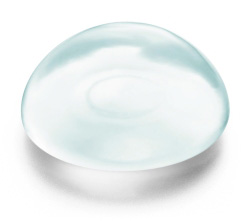
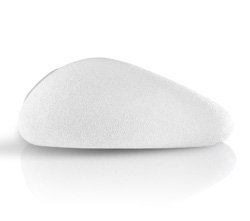
At Jewell Plastic Surgery Center, we see women who prefer a fuller, rounded upper breast shape while others want a sloped shape that more closely mimics natural breasts. This is a new era of highly differentiated implants; hence the option of round or the newer anatomically shaped, highly cohesive form-stable implants also known as “gummy bear implants.”
Round Cohesive Gel
Teardrop-Shaped Highly Cohesive Gel
Dr. Jewell is one of few American surgeons who had the opportunity to study and work with NATRELLE INSPIRA round silicone breast implants before their FDA approval in March 2015. He believes these highly filled implants are a big step forward for women interested in producing upper breast fullness, and he’s proud to provide this advanced option for our patients, along with a variety of other round and shaped implants.
Breast augmentation has become increasingly more sophisticated and precise with the newer teardrop-shaped implants. Dr. Jewell has more than 13 years of experience as a clinical researcher with anatomically shaped implants, and his vast experience with these devices puts him ahead of the “learning curve.” In this video, Dr. Jewell discusses the reasons many women find gummy bear implants to be an excellent option.
Can Breast Augmentation Be Done Under Local Anesthesia?
In the overwhelming majority of cases, our surgeons prefer to perform breast augmentation while the patient is under local anesthesia with IV sedation. Dr. Jewell has used this approach safely and successfully for more than 30 years. In general, our patients find this approach to be more comfortable and convenient for them, and many are relieved to learn that they don’t have to be “put under with an intubation tube down their throat.” After surgery, patients typically feel more like themselves faster than they would if they’d undergone general anesthesia.
Which Incision Is Best for Breast Augmentation?
In most cases, our surgeons make incisions beneath the breast, along the inframammary fold. It is the preferred incision for most patients and physicians because:
The scar is well hidden.
The surgeon has the best access to the interior of the breast.
It has the least amount of infections associated with it.
What’s Better Over or Under the Muscle Placement for Breast Implants?
Multiple factors go into determining the best implant placement, including the amount of existing breast tissue, the patient’s lifestyle, and the degree of sagging. In general, Dr. Jewell and Dr. Najafian use the following implant placements:
For women with a moderate amount of existing breast tissue, our surgeons like to place the implant beneath a thin layer of fascia on top of the chest muscle using a “subfascial” placement. This placement usually results in a relatively brief recuperation and can reduce the risk of changes in the shape of the breast after surgery.
For women with very little natural breast tissue, our surgeons often recommend a placement partially behind the chest muscle, called a “bi-planar” or “dual plane” placement. Although this placement requires a slightly longer recuperation, it can help reduce the risk of some complications, such as visible rippling and palpation.
How Is Breast Augmentation Performed?
Our surgeons perform breast augmentation as an outpatient procedure at his on-site, accredited surgery center. After he makes the incision, the surgeon creates a pocket within the breast for the implant. Once he has placed the implants, he evaluates them for symmetry before closing the incisions. After a brief period of observation, patients are discharged to the care of a trusted friend or family member. Patients who do not live in the area will need to spend one night in Eugene as they will be seen the day after surgery.
Our Exceptional Providers
Dr. Jewell and Dr. Najafian combine artistry and surgical expertise to create customized results tailored to each patient's unique needs.
Dr. Alireza "Reza" Najafian
Dr. Najafian is an exceptionally qualified plastic surgeon who completed a general surgery residency and a post-doctoral research fellowship at the prestigious Johns Hopkins School of Medicine.
Dr. Jewell is a board-certified plastic surgeon who has decades of experience and is recognized internationally as one of plastic surgery's leading innovators and advocates for patient safety.
A board-certified nurse practitioner and nurse injector, Hillary offers cosmetic injectables and other medical spa services delivered with expertise, passion, and fun.
Most patients are able to return to work and other daily social functions after 4 to 7 days, although, each woman’s experience after breast augmentation may be different.
Recovery Milestones
While patient experiences vary, a typical recovery will progress as follows:
Fatigue and soreness are common immediately following surgery, especially when the implants are placed below the muscle; these symptoms typically don’t persist for more than a few days. Our surgeons prescribe medication to help you stay comfortable.
For the first few weeks, hold off on strenuous exercise and any activities that require you to lift anything more than a few pounds, reach over your head, or lie on your stomach.
Walking and gradually returning to your regular activities of daily living are good for you.
After about 6 weeks, you can gradually resume upper extremity exercises as the capsules around the implants heal.
Initially, your breasts may appear swollen, tight, or high on your chest. This is a normal response; your implants will eventually soften and lower to more a natural-looking shape and position.
Common Questions About Breast Augmentation
What makes Jewell Plastic Surgery the right choice for breast augmentation?
Dr. Jewell has a wealth of knowledge, having participated in multiple FDA studies over the past 23 years on silicone, round, shaped, and cohesive gel implants. He is a pioneer, educator, and worldwide expert in breast augmentation. As an associate professor at OHSU, he teaches techniques in breast augmentation both in the United States and internationally. Breast augmentation outcomes from the Jewell Plastic Surgery Center support a high level of patient satisfaction and a low rate of complications. This has been validated in the peer-reviewed scientific publication Aesthetic Surgery Journal.
Will I be able to breastfeed with implants?
One of the reasons our surgeons and their patients prefer the inframammary incision is that it doesn’t affect the breast glands or ducts, thus it shouldn’t interfere with a woman’s ability to breastfeed later. Women who have not had their families at the time of breast augmentation should not go too large in volume as this may thin the parenchyma or breast gland. Furthermore, the presence of breast implants doesn’t affect the safety or quality of the milk a woman produces. All of Dr. Jewell’s patients, who were part of FDA studies and followed for 10 years post breast augmentation, were able to go on to successfully breastfeed their babies after breast augmentation.
What is capsular contracture?
When implants are inserted into a woman’s body, the body views them as foreign objects. The body immediately starts to build a capsule around the implants with a substance it manufactures called collagen. It takes approximately 6 weeks for the capsule to heal. Typically the capsules are soft, supple, and protective, but sometimes they get contracted, making the implants feel hard and even painful. Dr. Jewell has studied this phenomenon and knows that bio-film and proteins in the blood can contribute to capsular contracture; another important factor is how an individual scar. Our FDA studies showed we have a very low incidence of capsular contracture, below 2.5%, which is markedly less than the reported average. Dr. Jewell and Dr. Najafian take special precautions to mitigate capsular contracture.
How long will my breast implants last?
On average, patients can expect implants to last from 10 to 15 years, but many women have had them for more than 35 years. The longevity of your implants depends largely on the type of implants you choose, as well as physical and lifestyle factors. If implants fail or the breasts change, a woman may choose to undergo a revisionary procedure to upgrade her implants to newer ones or remove them altogether. Women who have older-generation gel-filled implants (pre-1992) should consider implant replacement surgery to minimize their risk of gel migration in case of rupture. Your surgeon can give you a better idea of how long you can expect your implants to last, as well as your options for revision when the time comes.
Will I still be able to get a mammogram if I have implants?
Women who have breast implants appear to be at a lower risk of developing breast cancer than the general population, according to studies. Having implants will not interfere with a mammogram’s detection of cancer when done properly. Women with implants should ask for a diagnostic exam instead of the screening views given to women without implants. It is a good idea to call the imagining center prior to the mammogram and ask for a technician who knows how to do the diagnostic exam or Eklund views.
Early detection of breast cancer starts with regular self-examination for lumps and imagining studies. Other factors that can boost the danger of breast cancer include dense breasts, obesity, a couch-potato lifestyle, and prolonged exposure to the hormones estrogen and progesterone. Our surgeons ask you to consider your own risks of developing breast cancer and speak openly about your risk factors and concerns. A baseline mammogram should start around age 40 because catching cancer early gives a woman the best chance of survival.
Will implant placement affect what the mammogram can detect?
Dr. Jewell and Dr. Najafian surgically develop the pocket for an implant, which can be placed in front of the pectoralis (chest) muscle or partially behind the pectoralis muscle. In all cases, the implants are placed behind the breast tissue so that the implant does not obscure the detection of breast cancer when the diagnostic mammogram is performed. There are many different criteria that affect where to place the implants. This is an important decision that is best explored by you and your surgeon once they have had the opportunity to examine your breasts.
Patients considering breast augmentation travel from Salem to Roseburg and Bend to Florence, Oregon, to have either Dr. Jewell or Dr. Najafian perform their procedures. Request a consultation using the online form or call our Eugene practice at
(541) 683-3234.
Jewell Med Spa & Specials
It’s never too early to begin the journey toward healthier, youthful looking skin.
Dr. Mark Jewell and Dr. Alireza Najafian answer this question in terms of what they call their version of the modern breast augmentation. This answer is based on their many years of performing breast augmentations, scientific research, and knowledge of how to produce a great long-term outcome with high levels of patient satisfaction. Historically, there […]
When women considering breast augmentation at our Eugene, OR, practice come in for consultations, they often bring in “wish” photos to help communicate how they want to look after surgery. These pictures usually focus on breast size, which is understandable. But getting breast implants offers more benefits than boosting a person’s cup size. The best […]
The publication of Dr. Mark Jewell’s latest book, “The Contemporary Atlas of Aesthetic Breast Surgery,” showcases our own Dr. Jewell’s expertise in cosmetic breast surgery procedures such as breast augmentation and breast lifts. The Oregon board-certified plastic surgeon collaborated with a colleague to co-edit the atlas, which contains approximately 25 chapters. The aesthetic breast surgery […]